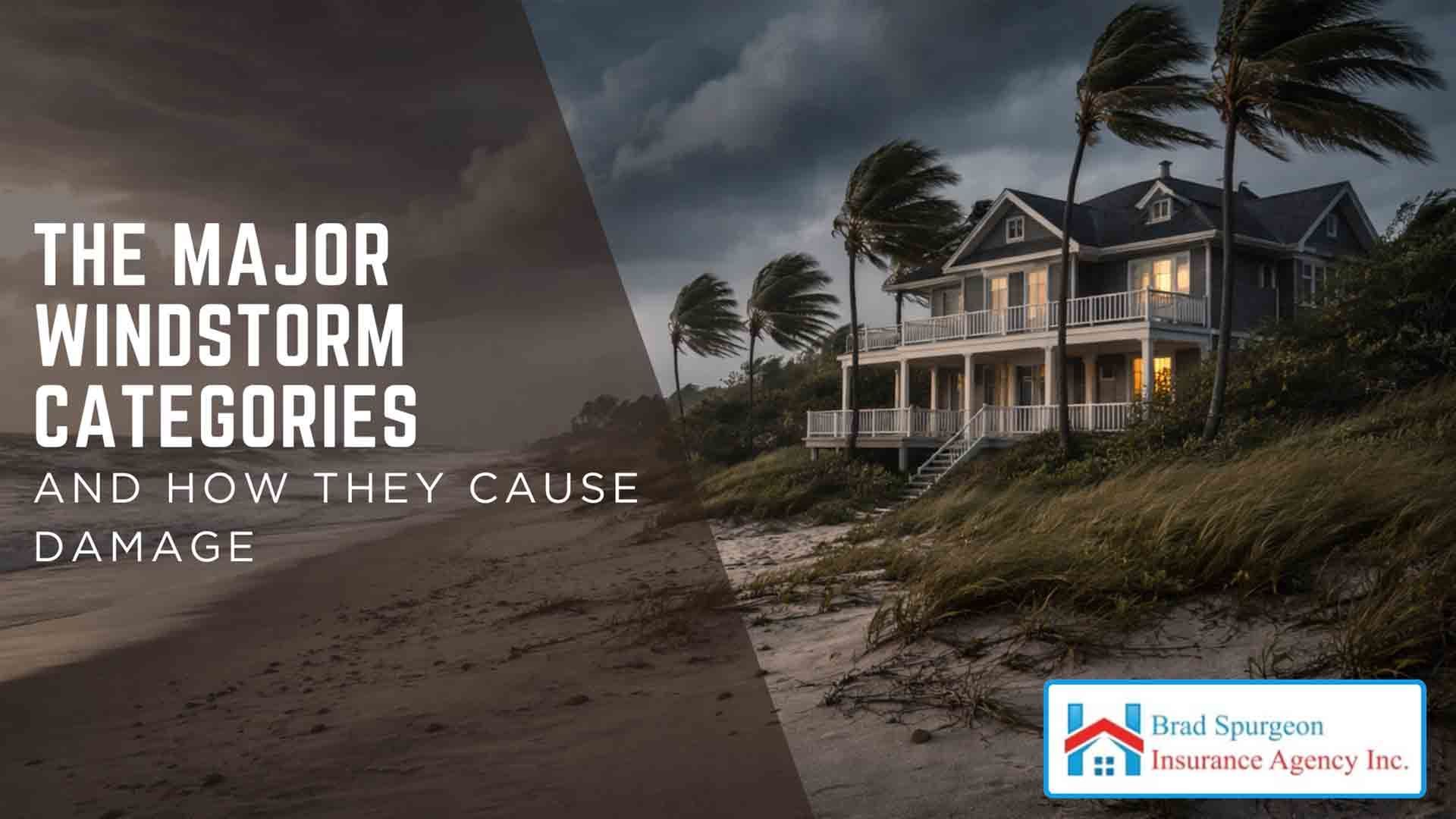
Windstorms are typically categorized by the type of event—thunderstorms and straight-line winds, tropical storms, hurricanes, tornadoes, and severe coastal wind events—and each category causes damage in predictable ways. Understanding how wind loads, wind-driven rain, debris impact, and pressure changes damage buildings helps you choose the right coverage, set realistic deductibles, and reduce costly claim surprises.
Windstorm damage is rarely “just wind.” In our years of professional service, we’ve found that most severe losses come from a chain reaction: wind pressure lifts shingles or siding, wind-driven rain gets inside, debris breaks openings, and internal pressure accelerates structural failure. For property owners in Texas City, TX, knowing the major windstorm categories—and how they damage homes and businesses—can help you spot weak points before a storm and confirm your insurance is designed for the kind of event you’re most likely to face.
Below is a clear breakdown of the major windstorm categories and the main ways they cause damage.
What “windstorm” means from an insurance standpoint
In everyday language, windstorm can mean any strong wind event. In insurance, windstorm is typically treated as a covered peril under many property policies—but the details depend on:
- Whether wind is excluded or limited by endorsement
- Whether wind/hail has special deductibles
- Whether a separate windstorm policy is required in certain areas
- How the policy defines covered wind-related damage versus wear, maintenance, or flood-related damage
The most important part of “windstorm coverage” is not the label—it’s the policy language, deductibles, roof settlement terms, and whether wind-driven rain is handled the way you expect.
Major Category 1: Thunderstorms and Straight-Line Winds
Straight-line winds are powerful, sustained winds moving in one direction—often produced by severe thunderstorms, squall lines, or downbursts. These events are common and can be destructive even without tornadoes.
How straight-line winds cause damage:
- Uplift on roofing materials
Wind gets under shingles or metal panels and peels them back
- Failure of weak roof edges
Rakes, eaves, and flashing are frequent starting points
- Damage to siding and soffits
Once a panel lifts, the wind can “zip” more panels off
- Tree and limb impacts
Falling limbs can puncture roofs or crush fences and outbuildings
- Powerline-related damage
Surges and outages can lead to secondary problems (food spoilage, shutdowns)
Key takeaway: Straight-line wind losses often start small (one lifted corner) and escalate quickly when water intrusion follows.
Major Category 2: Tropical Storms
Tropical storms bring sustained winds that are generally lower than hurricanes, but the damage can be severe because these storms often carry heavy rain and prolonged wind exposure.
How tropical
storms cause damage:
- Wind-driven rain intrusion
Water is forced through small gaps around windows, doors, vents, and roof penetrations
- Roof covering damage that becomes a leakage problem
Minor shingle loss can lead to significant interior damage if rain persists
- Garage door failures
If a garage door buckles, internal pressure can increase damage to the roof structure
- Prolonged exposure to gusts
Even if peak wind isn’t extreme, repeated gusts can loosen materials
In coastal-adjacent communities, wind-driven rain is a frequent claim driver. Even strong construction can suffer when water is pushed horizontally for hours.
Major Category 3: Hurricanes
Hurricanes combine high winds, gusts, and intense rain. The most severe
property damage often results from the interaction between wind, openings, and pressure changes.
How hurricanes cause damage:
- Roof uplift and structural stress
Wind flows over the roof and creates uplift forces that can tear materials away
- Breach of the building envelope
Once windows or doors fail, wind can pressurize the inside and push upward on the roof from below
- Flying debris impact
Roof gravel, fencing, signage, and tree limbs become projectiles
- Progressive failure
One weak point (a vent, soffit gap, or missing shingle strip) can escalate into structural damage
- Wind-driven rain and interior loss
Interior drywall, insulation, flooring, and electrical systems can be damaged even without full structural failure
Important distinction: Hurricane damage often looks “wind-related,” but the interior cost is frequently dominated by water intrusion through wind-created openings.
Major Category 4: Tornadoes
Tornadoes are localized, rotating columns of air with extreme winds. Even short duration tornadoes can cause catastrophic structural damage.
How tornadoes cause damage:
- Extremely high wind speeds and pressure shifts
Rapid pressure changes can contribute to window failure and structural stress
- Direct impact and suction forces
Roof structures can be pulled off; walls can fail
- Debris field intensity
Objects become high-speed projectiles that breach openings
- Total loss patterns in narrow paths
Damage can vary dramatically from one building to the next within the same neighborhood
Key takeaway: Tornado damage is often structural and severe, making accurate dwelling limits and clear roof settlement terms especially important.
Major Category 5: Severe Coastal Wind Events and “Wind + Water” Scenarios
While not always labeled as a separate category, coastal wind events often create combined hazards: strong winds, wind-driven rain, and water intrusion from storm surge or flooding.
How these scenarios cause damage:
- Wind damages the envelope; water exploits it
Once openings are compromised, rain enters and spreads quickly
- Water-related losses may be excluded under many property policies
Flood and storm surge generally require separate flood coverage
- Foundation and lower-level damage
Water pressure and saturation can damage lower walls, flooring systems, and electrical components
- Extended remediation timelines
Contaminated water and widespread damage can slow rebuild schedules
If your risk includes coastal flooding or surge,
windstorm coverage alone is not a complete plan. Coordinating wind coverage with flood coverage is essential to avoid “covered wind damage, uncovered water damage” outcomes.
How windstorms acually damage buildings (the mechanics homeowners should know)
Regardless of category, windstorms typically damage property through a few core mechanisms:
1.Uplift
- Wind flowing over a roof creates suction that lifts materials upward.
- Weak edges and poorly sealed areas fail first.
2.Lateral pressure
- Wind pushes against walls, doors, and garage doors.
- Large surface areas (garage doors, big windows) are vulnerable.
3.Internal pressurization
- If a window/door breaks, wind enters and increases pressure inside the structure.
- This can push up on the roof and accelerate failure.
4.Debris impact
- Flying objects breach the envelope and create new entry points for rain.
5.Wind-driven rain
- Rain is pushed sideways into gaps and openings—often causing large interior losses.
Insurance and preparation: what to review before storm season
In our years of professional service, the most effective windstorm planning is a mix of coverage review and practical mitigation.
Coverage items to review:
- Wind/hail deductible (flat vs. percentage of dwelling)
- Roof settlement method (replacement cost vs. actual cash value)
- Any cosmetic damage limitations or roof-specific endorsements
- Whether windstorm is excluded or requires a separate policy
- Ordinance or law coverage (code upgrade costs after damage)
- Flood coverage coordination (to avoid water-related gaps)
Practical mitigation steps that reduce claims severity:
- Keep roof maintenance records and fix minor damage quickly
- Reinforce or upgrade garage doors if needed
- Seal and maintain roof penetrations (vents, flashing, skylights)
- Trim trees and remove loose yard items before storms
- Keep a photo inventory of the property and upgrades
In Texas City, TX, where severe wind events can affect large areas at once, the ability to document your property condition and upgrades often makes claims smoother and reduces disputes about pre-existing wear versus storm damage.
Conclusion
Major windstorm categories—straight-line winds, tropical storms, hurricanes, tornadoes, and severe coastal wind events—cause damage through predictable mechanisms like uplift, debris impact, internal pressurization, and wind-driven rain. The best protection comes from understanding how these events damage buildings, strengthening the most vulnerable points, and ensuring your
windstorm coverage terms match your real rebuild exposure. For property owners in Texas City, TX, a short coverage review and a few targeted mitigation steps can dramatically reduce the likelihood of costly surprises after the next major storm.
At Brad Spurgeon Insurance Agency Inc., we aim to provide comprehensive insurance policies that make your life easier. We want to help you get insurance that fits your needs. You can get more information about our products and services by calling our agency at (409) 945-4746. Get your free quote today by CLICKING HERE.
Disclaimer: The information presented in this blog is intended for informational purposes only and should not be considered as professional advice. It is crucial to consult with a qualified insurance agent or professional for personalized advice tailored to your specific circumstances. They can provide expert guidance and help you make informed decisions regarding your insurance needs.
Brad Spurgeon Insurance Agency
Texas City, TX
(409) 945-4746
https://www.privatewindstorm.com/