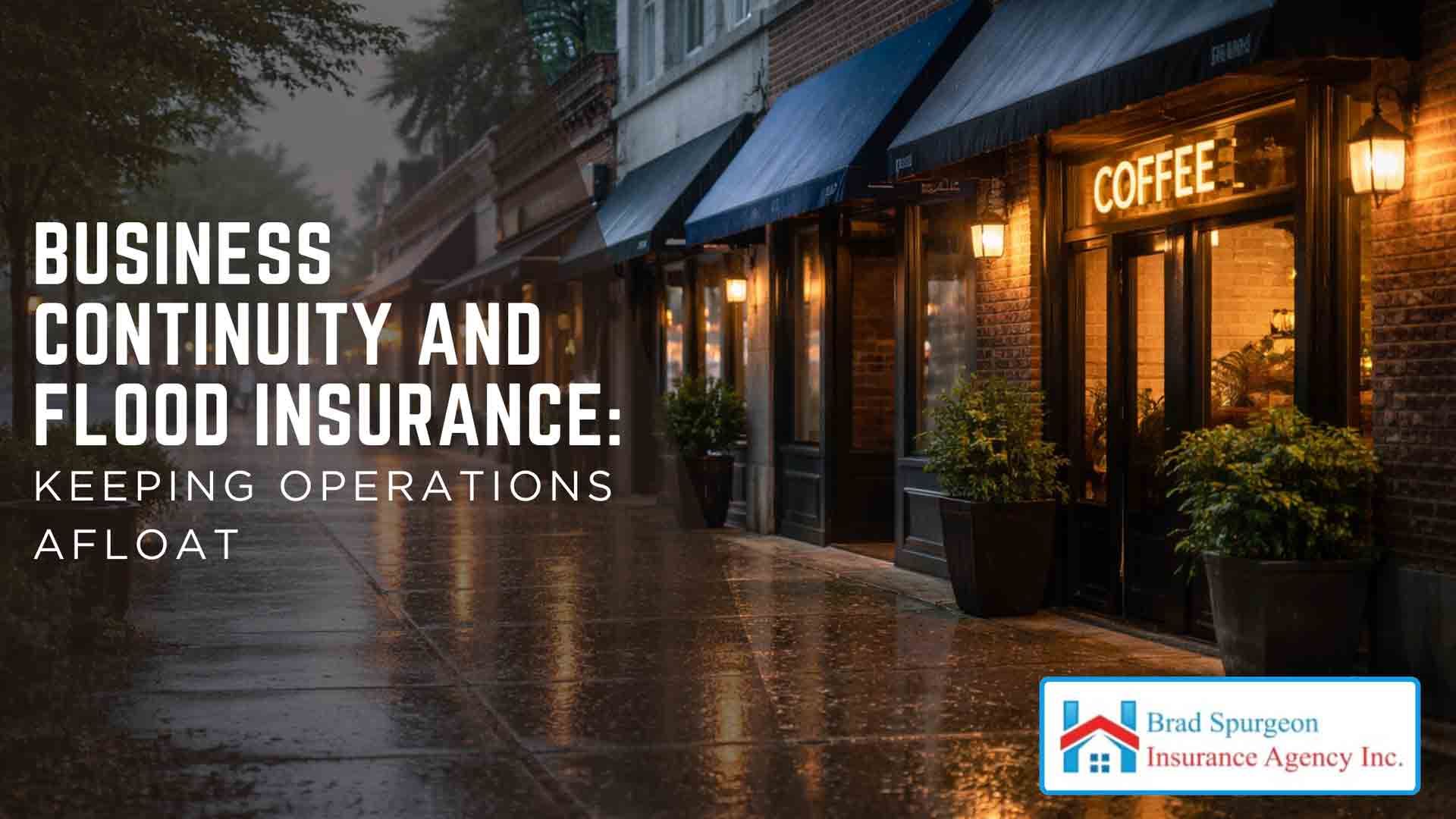
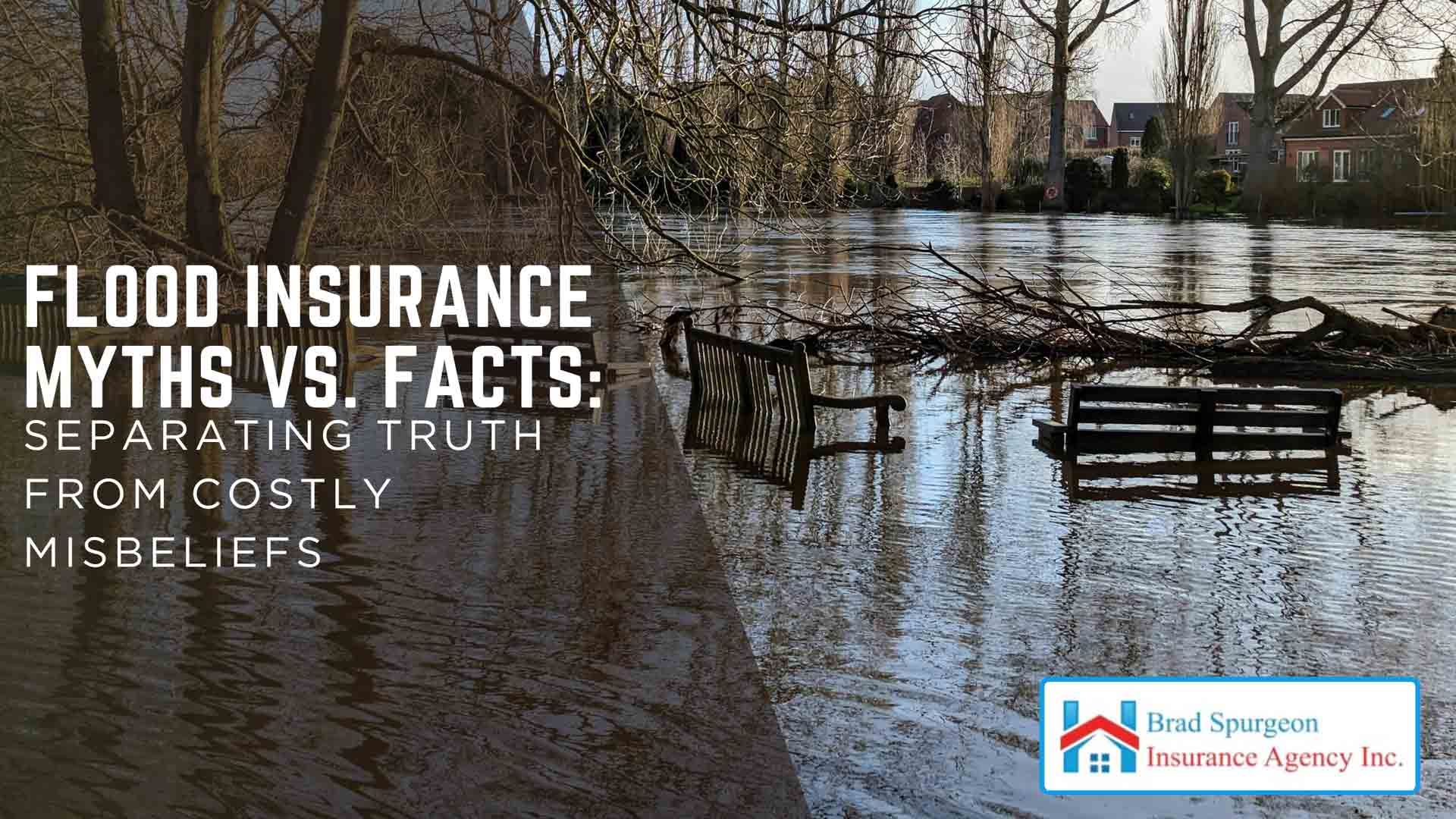
Flood insurance is one of the most important tools for business continuity because a single flood event can shut down operations, destroy inventory, and disrupt cash flow—even when the building structure survives. The right flood strategy combines proper flood coverage with a continuity plan that addresses downtime, vendors, data access, and temporary operations so your business can recover faster and avoid long-term revenue loss.
Many business owners assume flood is “rare,” or that their property policy will handle water damage. In our years of professional service, we’ve found that flood is one of the most misunderstood risks because it’s often excluded from standard commercial property policies. The result is a painful surprise: the business may be covered for wind or fire, but not for floodwater. For businesses in Texas City, TX, where storms can bring heavy rainfall, storm surge concerns, and widespread drainage issues, flood preparation is not just about property—it’s about staying open, keeping customers, and protecting payroll.
This article explains how
flood insurance supports business continuity, what flood coverage does and does not do, and the operational steps that reduce downtime when water disrupts your location.
Why flood risk is a business continuity problem (not just a building problem)
Business continuity is your ability to keep operating—or resume quickly—after a disruptive event. Floods are uniquely disruptive because they can impact multiple areas at once:
- Roads become impassable and employees can’t reach the site
- Power and utilities may be interrupted
- Inventory, machinery, and electronics can be damaged beyond repair
- Cleanup can be slow due to contaminated water and safety concerns
- Contractors and remediation companies become scarce after widespread events
Even if your building isn’t destroyed, a few inches of water can trigger:
- Flooring removal and replacement
- Electrical and HVAC inspections
- Dry-out and mold prevention
- Equipment replacement
- Mandatory downtime during remediation
Businesses near major routes like Highway 146 often depend on steady access and predictable customer traffic. When an area-wide weather event affects roads, parking, and surrounding neighborhoods, continuity becomes as much about logistics as it is about repairs.
What flood insurance typically covers for businesses
Flood insurance is designed to cover direct physical damage caused by flooding—generally defined as water inundation of normally dry land (policy definitions vary). For many businesses, flood coverage is obtained through the National Flood Insurance Program (NFIP) or private flood insurance, depending on eligibility, building type, and risk profile.
Common areas flood insurance may cover (subject to policy terms):
- Building coverage (if you own the building)
Foundation elements, electrical systems, plumbing, HVAC components
Certain built-in fixtures and finish elements as allowed by the policy
- Contents coverage
Inventory and stock (depending on policy form and valuation rules)
Furniture, equipment, certain machinery
Computers and electronics (coverage depends on policy wording and location of items)
- Cleanup-related costs
Some policies address debris removal or cleanup in defined ways, but many costs can still fall outside the policy
Important:
Flood insurance focuses on physical damage. Business continuity, however, also depends on income and operating expenses during downtime—this is where many businesses discover they are underprotected.
What flood insurance usually does NOT cover (and what to add for continuity)
Flood insurance alone may not protect your cash flow. The most common continuity gaps are:
- Business income / interruption due to flood
Many flood policies do not include business interruption coverage the way a commercial property policy might for covered perils like fire.
Some private flood products may offer broader options, but it must be reviewed intentionally. - Lost revenue due to reduced customer traffic after a flood
- Delays caused by government closures, curfews, or area-wide infrastructure issues (varies)
- Damage from sewer backup (sometimes treated differently than flood; may require a separate endorsement)
- Vehicles (handled under commercial auto)
- Outdoor property (signage, landscaping, fencing) depending on the policy
The most resilient businesses build a “coverage stack” for continuity:
- Flood insurance for physical flood damage
- Commercial property coverage for non-flood perils and building/contents
- Business income coverage (and extra expense coverage) where available
- Equipment breakdown coverage for mechanical/electrical failure (not flood-related, but critical for operations)
- Cyber/data coverage if systems and customer data access drive revenue
The goal is to prevent a flood event from turning into a months-long cash flow crisis.
How to build a flood-focused business continuity plan
Insurance is only one piece. Business continuity planning reduces downtime and improves claim outcomes.
Here’s a practical plan structure:
1.Identify your critical operations and “time to failure”
Ask:
- What must continue within 24 hours to avoid major revenue loss?
- What can pause for a week without severe impact?
- What are your mission-critical assets (equipment, servers, inventory, specialized tools)?
2.Create a flood response playbook (simple and executable)
Include:
- Who makes the “close operations” decision
- Emergency contact list (employees, landlord, electrician, plumber, remediation vendor)
- Steps to protect assets before water arrives (move inventory off floors, elevate equipment, shut down electrical safely)
- Photo documentation steps for claims
3.Plan for temporary operations and extra expense
Continuity often depends on whether you can operate from another location or shift to a different delivery model.
Prepare options:
- Temporary site or shared workspace
- Remote work procedures and equipment
- Alternate distribution/fulfillment arrangements
- Vendor backups for key supplies
- Customer communication templates (email, social, website banner)
4.Data access and payment continuity
Floods often interrupt on-site systems. Plan for:
- Cloud-based backups
- Remote access to accounting/CRM
- Off-site storage of critical documents
- Ability to take payments if the location is closed
5.Test and update the plan annually
A continuity plan that sits on a shelf won’t help when water is rising. Run a quick annual review:
- Update vendors and contact lists
- Confirm who has keys, codes, and authority
- Re-evaluate inventory levels and equipment value
In Texas City, TX, businesses that prepare ahead often recover faster because they can pivot operations while physical repairs are underway, instead of waiting for a “full rebuild” to resume revenue.
Choosing flood insurance limits that match real exposure
One of the most common continuity failures is choosing flood limits that reflect a guess, not the actual cost to replace what matters.
To set limits more accurately, evaluate:
- Building replacement cost (if you own the building)
- Replacement cost of equipment and furniture
- Inventory values at peak season (not just average)
- The cost to replace specialized tools or machinery
- How long it would take to source replacements after an area-wide event
Helpful documentation to maintain:
- Inventory lists (with photos and receipts where possible)
- Equipment schedules (model/serial numbers, purchase dates)
- Lease agreements and landlord responsibilities
- Floor plans showing where critical assets are located (helps with mitigation planning)
Claims best practices: reduce delays and protect your payout
In our years of professional service, claim delays often come down to documentation and communication.
Flood claims can be complex because damage may be widespread and adjusters may be handling many claims at once after a major event.
To reduce friction:
- Document everything with photos/video as soon as it’s safe
- Separate damaged items and label them when possible
- Keep receipts for emergency expenses and repairs
- Don’t discard major items until your adjuster confirms it’s okay (when feasible)
- Track downtime details: closure dates, staffing impact, lost contracts, and extra expenses
Even if business income coverage isn’t part of your flood policy, documenting operational impacts helps you make better decisions and supports any related coverages you may have.
Conclusion
Flood insurance helps protect your building and contents from flood-related physical damage, but true business continuity requires more: a plan for downtime, temporary operations, data access, and the coverages that protect cash flow. When floodwaters disrupt operations, the businesses that recover fastest are the ones that planned ahead and built a coverage stack that matches real exposure. For business owners in Texas City, TX, a flood-focused continuity review is one of the most practical steps you can take to keep your operation afloat after the unexpected.
At Brad Spurgeon Insurance Agency Inc., we aim to provide comprehensive insurance policies that make your life easier. We want to help you get insurance that fits your needs. You can get more information about our products and services by calling our agency at (409) 945-4746. Get your free quote today by CLICKING HERE.
Disclaimer: The information presented in this blog is intended for informational purposes only and should not be considered as professional advice. It is crucial to consult with a qualified insurance agent or professional for personalized advice tailored to your specific circumstances. They can provide expert guidance and help you make informed decisions regarding your insurance needs.
Brad Spurgeon Insurance Agency
Texas City, TX
(409) 945-4746
https://www.privatewindstorm.com/