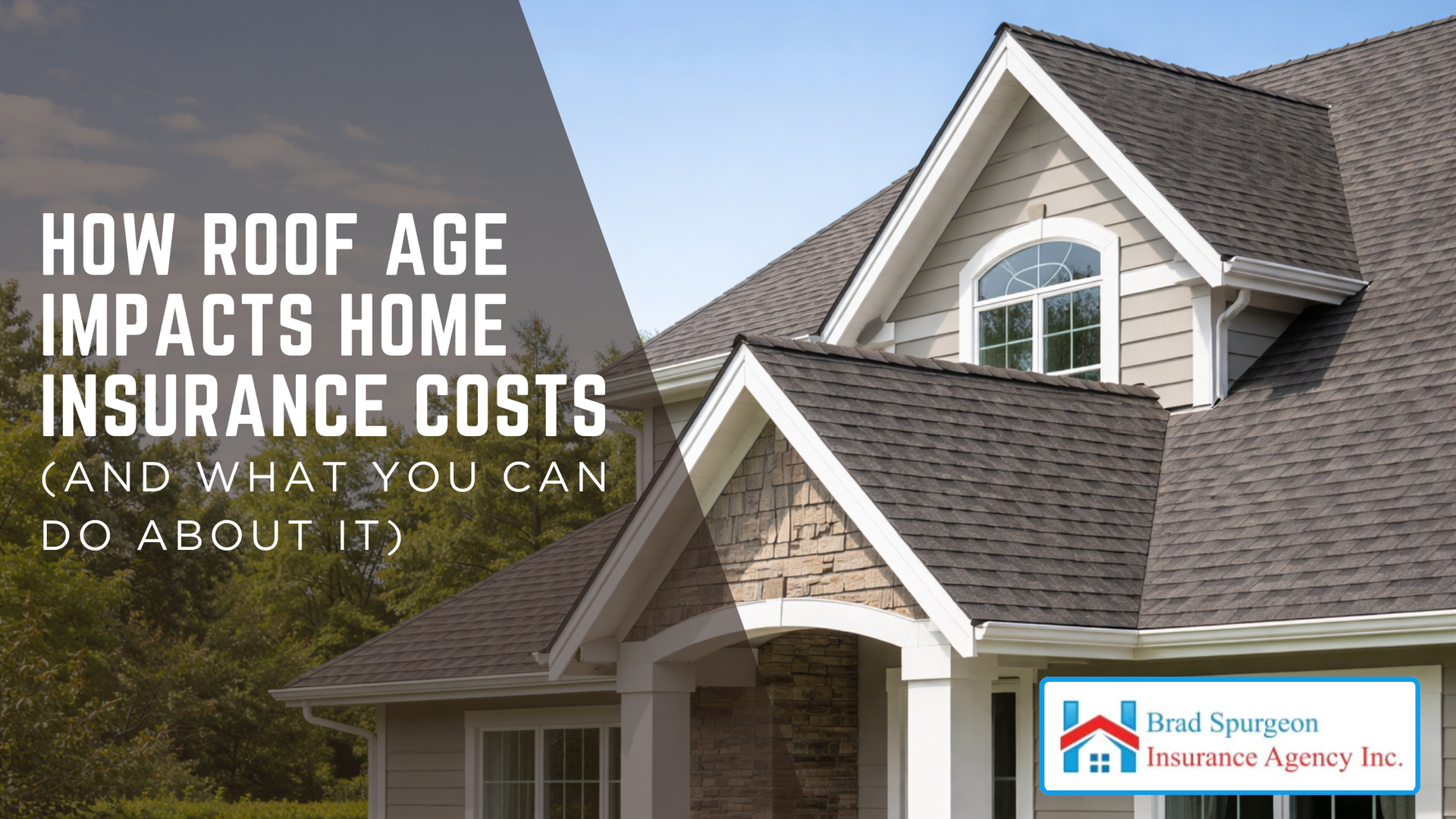
Roof age can directly affect your home insurance premium, eligibility, and claim experience because insurers view older roofs as more likely to suffer damage or fail during severe weather. In many cases, the older the roof, the higher the risk profile, especially if maintenance is unclear or the roofing material is nearing the end of its expected life. For many homeowners in Texas City, TX, understanding how roof age is evaluated can help them make smarter decisions before renewal, inspection, or a major claim.
Why Insurers Pay Close Attention To Roof Age
Your roof is one of the most important parts of your home from an
insurance perspective. It protects the structure from wind, rain, hail, and water intrusion, and it is often the first line of defense during a storm. Because of that, insurers pay close attention to its age, condition, material, and maintenance history.
In our work with homeowners, one of the most common issues we see is that people assume insurance only looks at whether a roof is leaking right now. In reality, insurers are usually assessing the likelihood of future loss. An aging roof may still appear functional, but if it is statistically more likely to fail under stress, that can affect the policy long before obvious damage appears.
Older roofs tend to raise concerns about:
- Greater risk of wind damage
- Higher likelihood of water intrusion
- Reduced structural integrity
- Worn or brittle materials
- Deferred maintenance
- More expensive future claims
This does not mean every older roof is uninsurable. It means the roof becomes a more important underwriting factor as it ages.
How Roof Age Can Affect Your Insurance Premium
As a roof gets older,
insurance companies often see a higher chance of claim activity. That increased exposure may lead to higher premiums, stricter terms, or additional inspection requirements.
Several outcomes are common when a roof reaches a certain age range:
- Higher home insurance rates
- Limited carrier options
- Requirement for a roof inspection
- Actual cash value settlement on roof losses instead of replacement cost
- Exclusions or restrictions for roof-related claims
- Non-renewal unless repairs or replacement are completed
A common issue we see is that
homeowners focus only on whether the roof “passes” visually, while the insurer is looking at age brackets. A roof that is 5 years old is typically viewed very differently from one that is 18 or 22 years old, even if both are currently intact.
This is especially important when a homeowner shops coverage and expects the same pricing across carriers. Different insurers can treat the same roof very differently depending on underwriting rules, material type, and local exposure.
Why Older Roofs Create Bigger Insurance Concerns
Insurance is based on risk, and roofs naturally wear down over time. Shingles can lose granules, flashing can weaken, sealants can fail, and past repairs may not hold up the way a full replacement would. Even without visible interior damage, an older roof may be more vulnerable during a storm event.
That matters because claim severity can escalate quickly. A minor breach in roofing materials can lead to:
- Water damage inside the attic
- Ceiling stains and drywall damage
- Mold concerns
- Insulation damage
- Damage to flooring, furniture, or electrical systems
For homes near Galveston Bay or around neighborhoods that regularly face coastal weather patterns, roof condition becomes even more relevant. Wind-driven rain and storm exposure can test weak spots that may not be obvious during everyday conditions.
Roof Material Matters Too
Roof age is important, but it is not the only factor. Insurers also consider what the roof is made of. Different materials age differently and do not all perform the same under storm stress.
For example, insurers may look differently at:
- Standard asphalt shingles
- Architectural shingles
- Metal roofing
- Tile roofing
- Wood shake roofs
- Flat or low-slope roofing systems
An older metal roof may be viewed differently than an older three-tab shingle roof. Likewise, a well-maintained architectural shingle roof may present less concern than a lower-grade material of the same age. This is why homeowners should not assume that age alone tells the full story. Material, installation quality, ventilation, and upkeep all influence how the insurer evaluates the risk.
How Roof Age Can Affect Claims
Roof age does not just influence premiums. It can also affect how a future claim is handled.
A common misunderstanding is that if a roof is insured, any covered damage will automatically be paid on a full replacement basis. That is not always the case. Depending on the policy, the age and condition of the roof may affect whether the settlement is based on replacement cost or actual cash value.
That difference matters. Replacement cost generally pays based on the cost to repair or replace with comparable materials, subject to policy terms and deductible. Actual cash value usually factors in depreciation, which can significantly reduce the payout on an older roof.
This is one of the most important areas for homeowners to review before a loss happens. A policy may look adequate until a claim reveals that the roof is being settled on a more limited basis than expected.
What Homeowners Can Do To Improve Their Position
The good news is that roof age is not a passive issue. There are practical steps
homeowners can take to improve insurability, control costs, and reduce claim complications.
Start with these actions:
- Know the exact age of your roof
- Keep records of installation, repairs, and inspections
- Address missing shingles, flashing issues, and visible wear early
- Schedule professional inspections when the roof begins aging
- Ask whether your policy settles roof losses on replacement cost or actual cash value
- Notify your agent when major roof work is completed
In many cases, documentation makes a real difference. A homeowner with proof of replacement date, contractor invoices, inspection reports, and maintenance records is often in a stronger position than someone guessing at the roof’s condition.
When Roof Replacement May Make Financial Sense
Roof replacement is a major expense, but sometimes it improves more than just the home itself. It may open access to better insurance options, improve policy terms, or reduce premium pressure over time.
Replacement may be worth considering when:
- The roof is near the end of its expected lifespan
- Repairs are becoming frequent
- The insurer is restricting coverage
- Renewal terms are worsening
- You are planning to sell the home
- A new roof could qualify for credits or better underwriting treatment
For homeowners near Bay Street Park and other exposed areas where storms can be a real concern, waiting too long can create a double problem: rising maintenance costs and shrinking insurance flexibility.
Questions To Ask Before Renewal
Before your next renewal, it helps to review your roof situation the same way an underwriter might. A few questions can quickly show whether your current setup needs attention:
- How old is the roof?
- What material is it made from?
- Has it been inspected recently?
- Are there visible signs of wear?
- Does the current policy include replacement cost for the roof?
- Has the insurer requested photos, inspection reports, or repairs?
- Would a different carrier evaluate the roof more favorably?
We often recommend handling those questions before a carrier raises concerns. It is much easier to plan for roof work or compare coverage options before a non-renewal notice or claim dispute puts pressure on the timeline.
Conclusion
Roof age affects
home insurance because it changes how insurers evaluate the likelihood and cost of future damage. As roofs get older, homeowners may see higher premiums, reduced policy options, stricter claim terms, or pressure to repair or replace the roof. For property owners in Texas City, TX, the smartest approach is to stay ahead of the issue by understanding the roof’s age, documenting its condition, and reviewing policy terms before a problem turns into an expensive surprise.
At Brad Spurgeon Insurance Agency Inc., we aim to provide comprehensive insurance policies that make your life easier. We want to help you get insurance that fits your needs. You can get more information about our products and services by calling our agency at (409) 945-4746. Get your free quote today by CLICKING HERE.
Disclaimer: The information presented in this blog is intended for informational purposes only and should not be considered as professional advice. It is crucial to consult with a qualified insurance agent or professional for personalized advice tailored to your specific circumstances. They can provide expert guidance and help you make informed decisions regarding your insurance needs.
Brad Spurgeon Insurance Agency
Texas City, TX
(409) 945-4746
https://www.privatewindstorm.com/